The Mali Empire (c. 1230–1500 CE): The Golden Age of Medieval West Africa
After the decline of Ghana, the Mali Empire rose to dominate West Africa. From Sundiata’s founding to Mansa Musa’s legendary pilgrimage, Mali reshaped African history.
- Introduction: The Successor to Ghana
- 1. Geographic Foundations of Mali’s Power
- Strategic Advantages
- 2. The Rise of Sundiata Keita
- 3. Administrative and Political Structure
- 4. Economic Supremacy: Gold and Trade
- 5. Mansa Musa: Wealth and Global Recognition
- 6. Timbuktu and Intellectual Flourishing
- 7. Social Structure and Cultural Life
- 8. Military Strength
- 9. Causes of Decline
- 10. Historiographical Perspectives
- Why Mali Matters for Ghana’s Historical Narrative
- Frequently Asked Questions
- Why is Mansa Musa considered the richest man in history?
- Did Mali control Timbuktu?
- Footnotes
- References
Introduction: The Successor to Ghana#
By the early 13th century, the Ghana Empire had declined. Trade routes shifted southward, and political cohesion weakened. In this vacuum of power emerged a new Mandé-speaking state that would surpass Ghana in territorial reach, global fame, and cultural influence: the Mali Empire.
At its height in the 14th century, Mali controlled vast territories across West Africa and possessed extraordinary wealth in gold. Under rulers such as Sundiata Keita and Mansa Musa, it became one of the most influential empires of the medieval world.
1. Geographic Foundations of Mali’s Power#

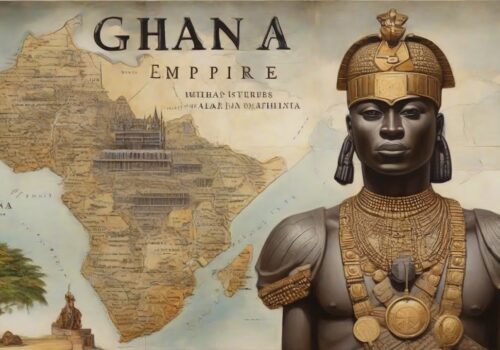
The coverage of the Ancient Mali Empire
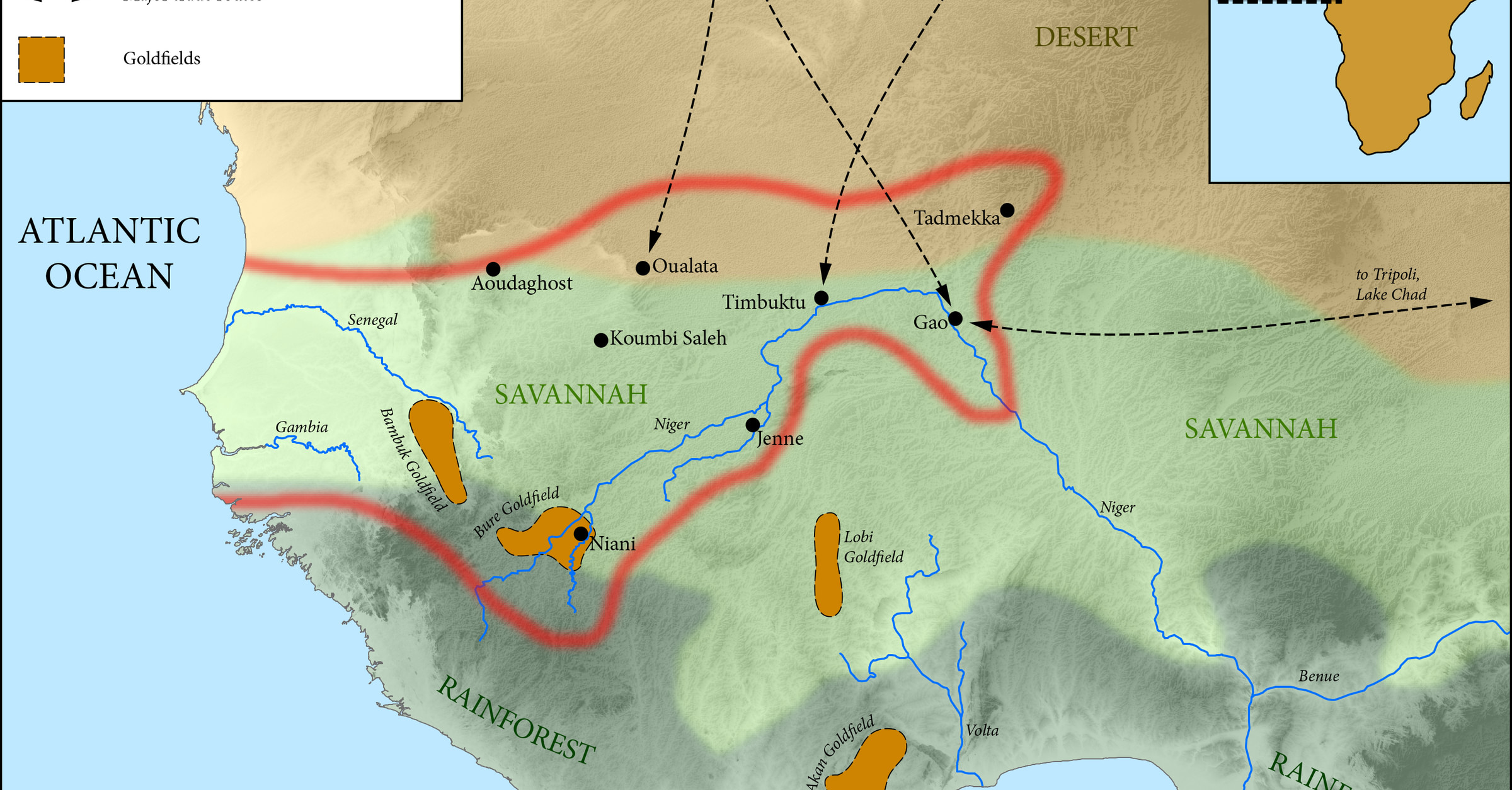
The gold mines of the Mali Empire
The Mali Empire emerged in the Mandé heartland along the upper Niger River.
Strategic Advantages#
-
Control of fertile agricultural zones along the Niger
-
Access to gold fields in Bure
-
Proximity to trans-Saharan trade routes
-
River transport via the Niger
Unlike Ghana, which was positioned slightly north in the Sahel, Mali benefited from a stronger agricultural base, giving it more sustainable economic foundations.
2. The Rise of Sundiata Keita#
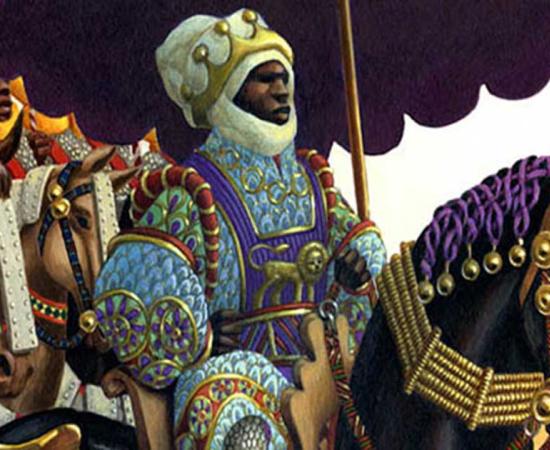

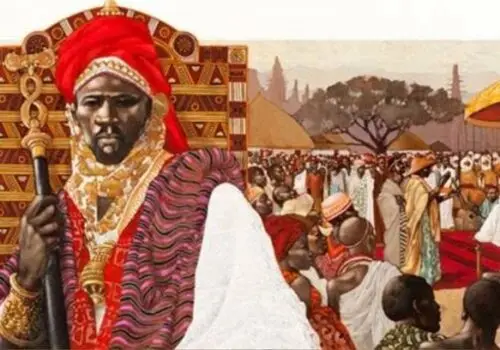
Drawings of Mansa Musa
The empire’s founder, Sundiata Keita, is remembered through oral epic traditions preserved by griots.
The Epic Narrative
According to tradition:
-
Sundiata was born into exile
-
Overcame physical disability
-
United Mandé clans
-
Defeated the Sosso king Sumanguru at the Battle of Kirina (c. 1235)
Though the epic blends myth and history, scholars agree that around 1230–1240 CE, a powerful Mandé state emerged under Sundiata’s leadership.[1]
3. Administrative and Political Structure#
The ruler bore the title Mansa, meaning “Emperor.”
Central Administration
The empire featured:
-
Provincial governors (farins)
-
Military commanders
-
Tax collectors
-
Court officials
Vassal kings retained local authority but owed tribute and loyalty.
Legal Structure
Islamic law influenced urban centers, while customary law governed rural areas.
This dual legal system provided flexibility and cohesion.
4. Economic Supremacy: Gold and Trade#
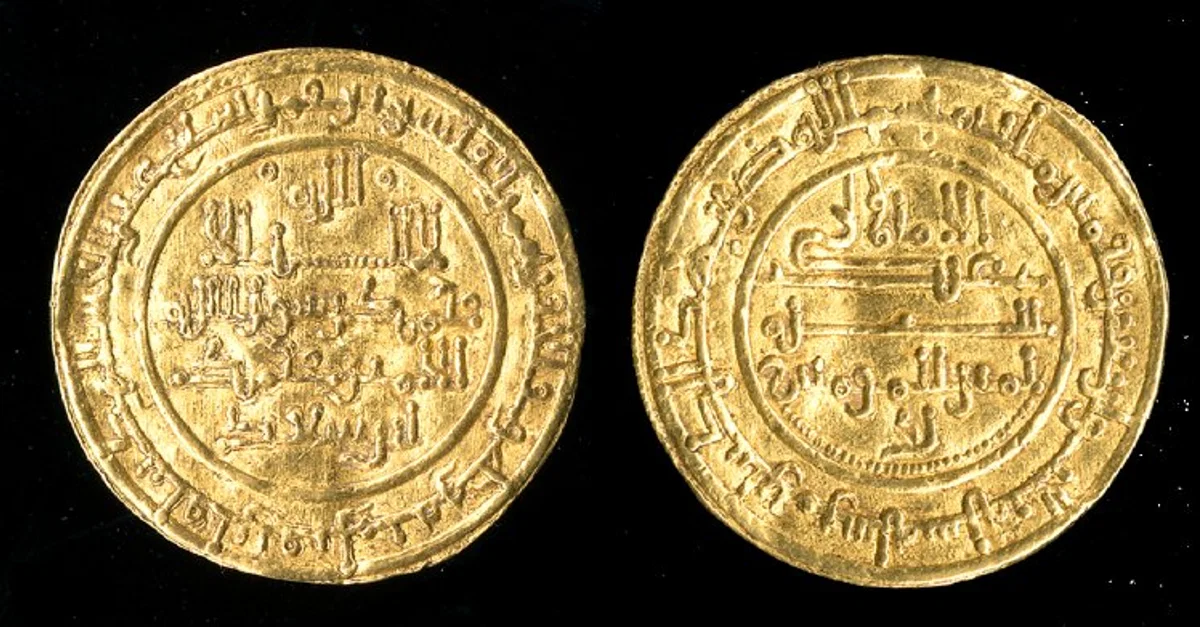
Gold coin from the Mali Empire
Mali controlled the gold fields of Bure and later extended influence toward other mining regions.
Economic Mechanisms
-
Taxation of caravan trade
-
Royal control of gold nuggets
-
Agricultural surplus along the Niger
-
Trade in salt, copper, slaves, kola nuts
By the 14th century, Mali may have supplied a significant proportion of gold circulating in Europe and North Africa.[2]
Gold from Mali likely financed Mediterranean economies and influenced European monetary systems.
5. Mansa Musa: Wealth and Global Recognition#
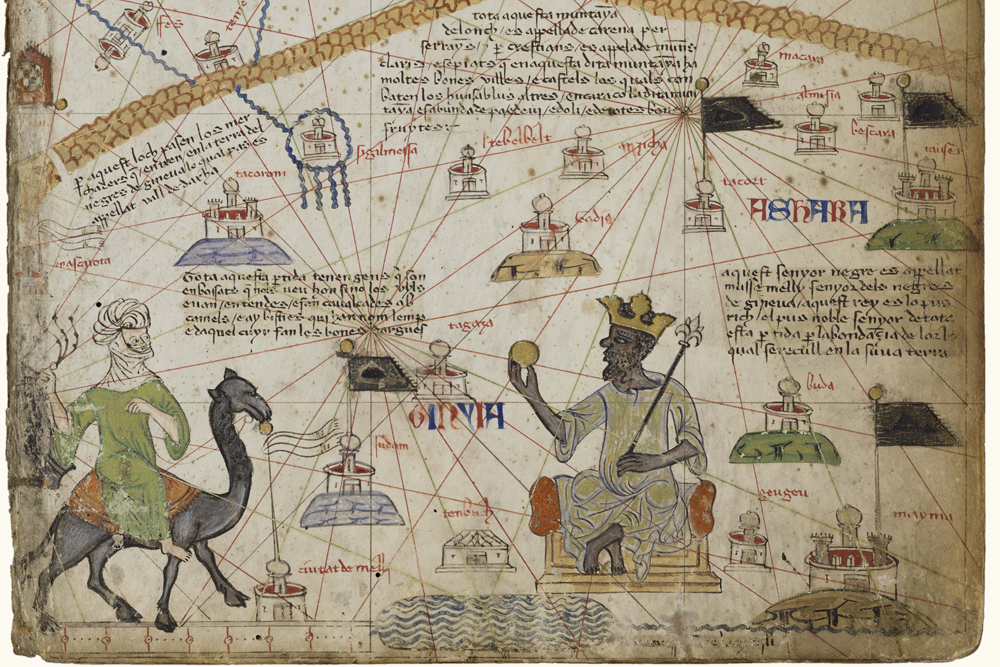
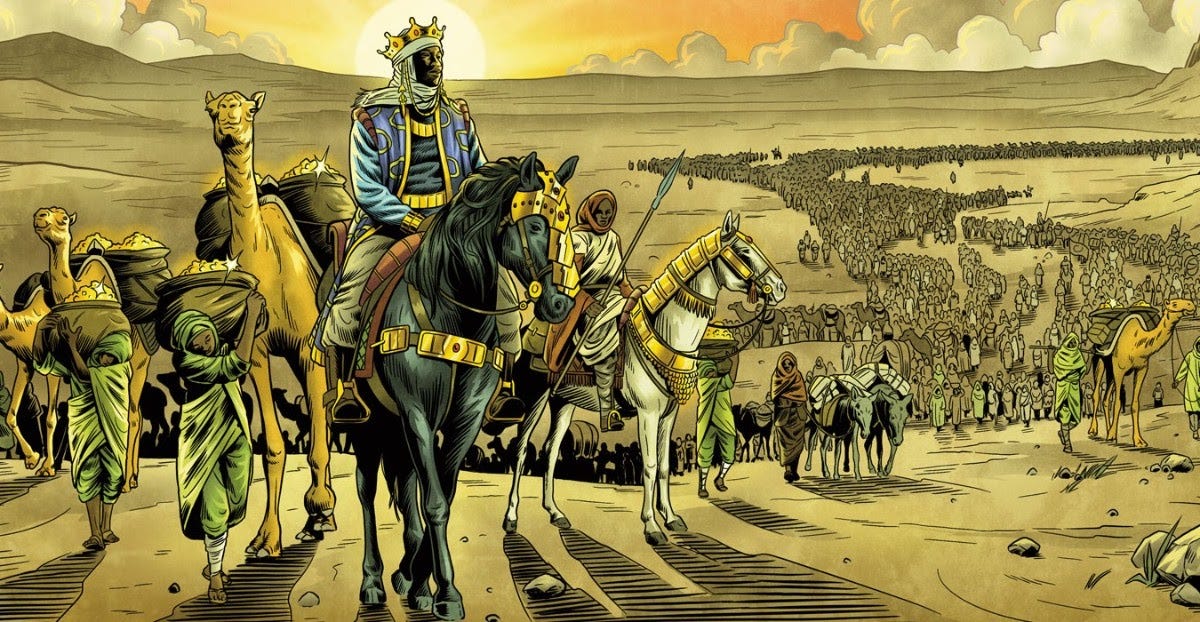

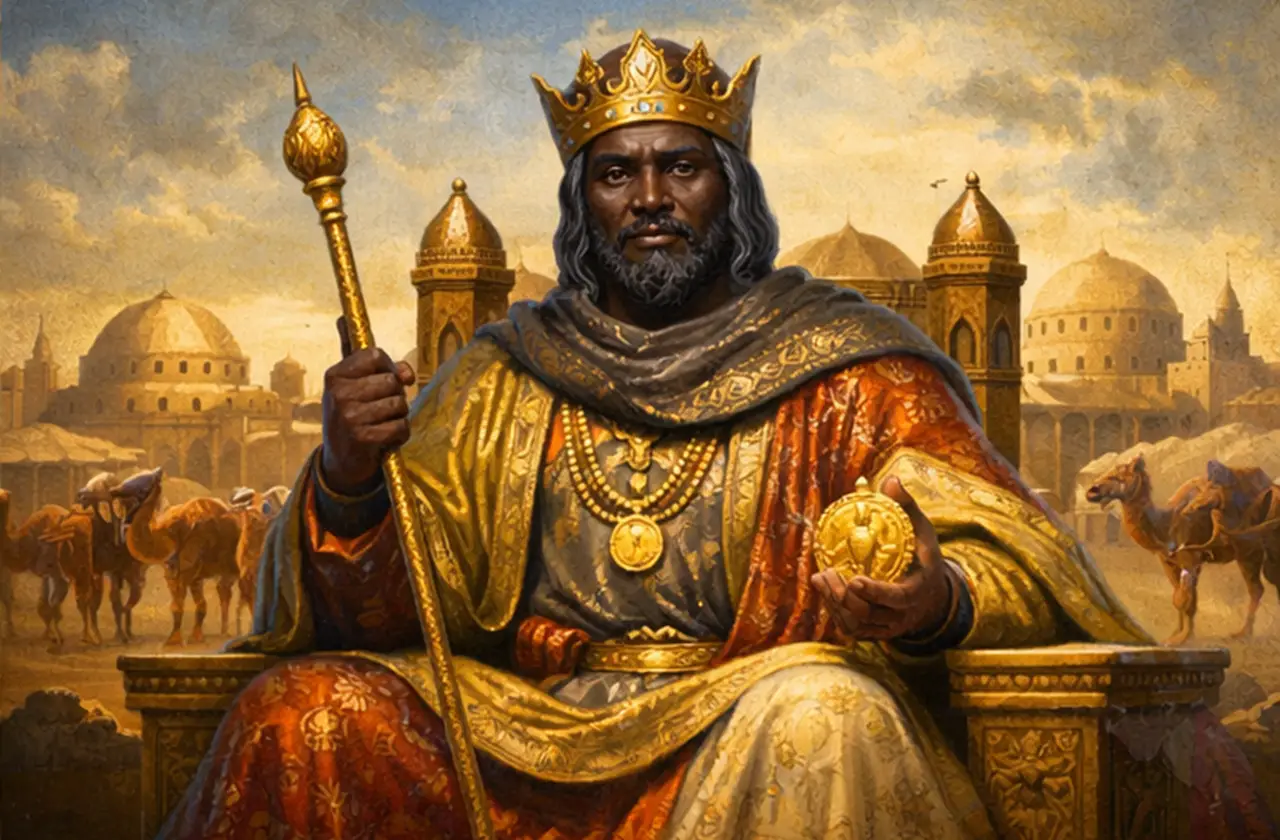
The most famous Malian ruler was Mansa Musa (r. 1312–1337).
The Pilgrimage of 1324
Musa’s journey to Mecca included:
-
Thousands of attendants
-
Hundreds of camels carrying gold
-
Distribution of gold in Cairo
Reports suggest he caused temporary inflation in Egypt due to excessive gold spending.[3]
His pilgrimage placed Mali prominently on European maps.
6. Timbuktu and Intellectual Flourishing#


The Sankore Mosque
Under Mali, Timbuktu became a major center of learning.
The Sankore Mosque evolved into a university-like institution.
Subjects included:
-
Islamic jurisprudence
-
Astronomy
-
Mathematics
-
Theology
Thousands of manuscripts circulated in the region.
This intellectual culture contradicts stereotypes of pre-colonial Africa as “illiterate” or “stateless.”
7. Social Structure and Cultural Life#
Malian society was hierarchical:
-
Keita dynasty
-
Warrior aristocracy
-
Islamic scholars
-
Merchants
-
Artisans
-
Farmers
-
Enslaved persons
Griots played a critical role in preserving history and genealogy.
Islam spread primarily in urban centers; rural populations maintained indigenous beliefs.
8. Military Strength#
Mali maintained a professional army.
Features included:
-
Cavalry units
-
Infantry divisions
-
Provincial garrisons
Military control ensured stability across vast territories.
9. Causes of Decline#
By the late 14th century, Mali began to weaken.
Contributing Factors
-
Succession disputes
-
Provincial rebellions
-
Rise of Songhai
-
Trade route competition
The loss of Gao and Timbuktu weakened central authority.
By the 15th century, Songhai eclipsed Mali.
10. Historiographical Perspectives#
Sources include:
-
Ibn Battuta’s travel accounts
-
Al-Umari’s descriptions
-
Oral epic traditions
-
Archaeological research
Historians debate:
-
Exact gold output levels
-
Centralization extent
-
Degree of Islamic governance
Nevertheless, consensus affirms Mali as one of Africa’s greatest empires.
Timeline Summary
| Date | Event |
|---|---|
| c. 1235 | Battle of Kirina |
| 1312 | Mansa Musa begins reign |
| 1324 | Pilgrimage to Mecca |
| 14th century | Timbuktu flourishes |
| 15th century | Decline accelerates |
Why Mali Matters for Ghana’s Historical Narrative#
Though geographically north of modern Ghana, Mali influenced:
-
Gold trade networks affecting Akan states
-
Migration patterns southward
-
Islamic scholarship across West Africa
The tradition of imperial governance in West Africa shaped political culture long before colonial rule.
Frequently Asked Questions#
Who founded the Mali Empire?
Sundiata Keita.
Why is Mansa Musa considered the richest man in history?#
Due to Mali’s vast gold reserves and his legendary pilgrimage expenditures.
Did Mali control Timbuktu?#
Yes, during its height in the 14th century.
Footnotes#
[1] Niane, D.T., Sundiata: An Epic of Old Mali.
[2] Levtzion, Nehemia, Ancient Ghana and Mali.
[3] Al-Umari, 14th-century Egyptian historian.
References#
Davidson, Basil. Africa in History.
Levtzion, Nehemia. Ancient Ghana and Mali.
Niane, D.T. Sundiata.
Hunwick, John. Timbuktu and the Songhay Empire.